
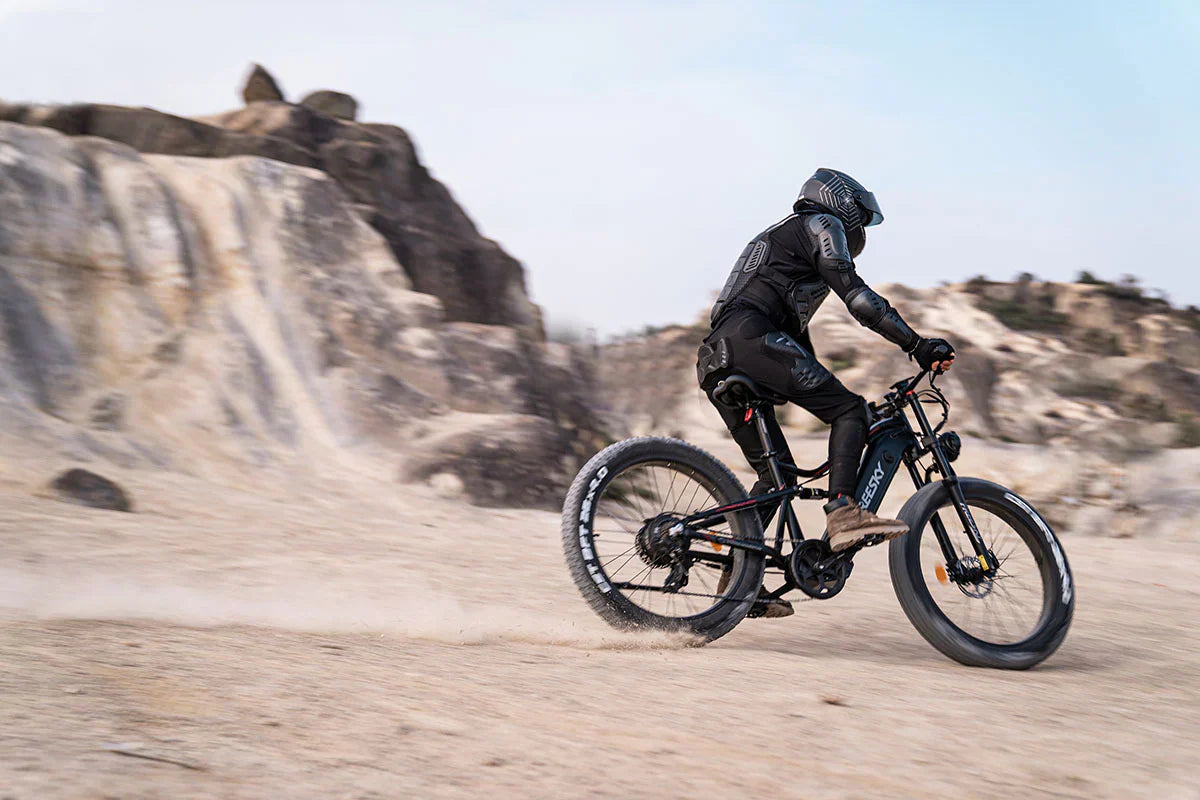
Is a Full Suspension E-Bike Harder to Pedal? Efficiency vs. Comfort
A common debate among e-bike enthusiasts is whether the added complexity of a full suspension frame makes pedaling more difficult compared to a hardtail. While traditional mountain bikers often worry about "pedal bob" and weight, the equation changes significantly when you add an electric motor into the mix. For riders over 40, understanding this balance is key to a smooth, efficient journey.
The Weight Factor in the Electric Age
It is true that full suspension e-bikes are generally heavier due to the rear shock and additional pivot hardware. On a traditional bicycle, this extra weight would require more leg power, especially during steep climbs. However, with a high-torque electric motor, this weight becomes almost unnoticeable. The motor compensates for the mass, allowing you to enjoy a plush ride without the physical strain normally associated with heavier bikes.
For those seeking a bike that handles its weight with incredible grace and power, the Alaska Pro M-520 utilizes a high-capacity motor to make every climb feel effortless.
Understanding "Pedal Bob" and Energy Loss
"Pedal bob" occurs when the rear suspension compresses and rebounds in rhythm with your pedaling, potentially wasting energy. In the past, this made full suspension bikes feel "squishy" on flat roads. Modern e-bike engineering has largely solved this through optimized pivot placement and adjustable shocks. By fine-tuning your suspension settings, you can ensure the bike remains firm during acceleration while still soaking up harsh vibrations from the road.
Traction: The Secret Efficiency of Full Suspension
Interestingly, on rough or uneven terrain, a full suspension e-bike can actually be easier to pedal. Because the rear wheel stays glued to the ground rather than bouncing off rocks or roots, you maintain constant traction. This prevents "power spin-outs" and keeps your forward momentum consistent, which is much more efficient than the jarring ride of a rigid frame on a bumpy trail.
The Hardtail Advantage: Direct Power
Hardtail e-bikes still hold an edge in pure responsiveness. With a rigid rear triangle, every watt of power from the motor and your legs is transferred directly to the dirt. This creates a "zippy" feel that many commuters prefer for city streets and paved bike paths. Hardtails are also lighter and easier to lift onto a car rack, which is a practical consideration for many riders.
Which Should You Choose?
- Choose Full Suspension if: You have back or joint sensitivity, ride on unpaved trails, or simply want the most luxurious "Cadillac" feel available.
- Choose a Hardtail if: You mostly stick to pavement, prefer a lighter bike for transport, or want a lower-maintenance machine for daily commuting.
Conclusion
While a full suspension bike technically has more moving parts and weight, modern electric assistance effectively levels the playing field. The "difficulty" of pedaling is no longer a major hurdle. Instead, the choice comes down to your personal preference for comfort versus the direct, lightweight feel of a hardtail. In both cases, the motor is there to ensure your ride is nothing but pure enjoyment.
Share:
Can You Use an E-Bike for Mountain Biking? | Trails and Performance Guide
Full Suspension vs. Hardtail E-Bikes: Comfort and Performance Guide