
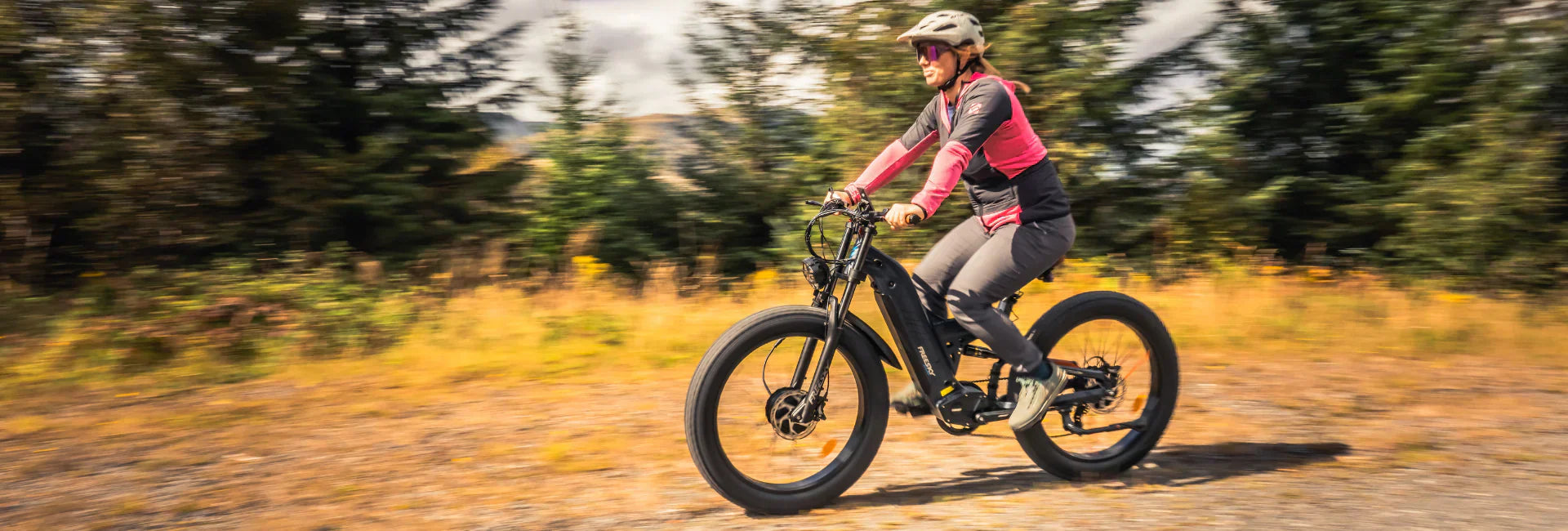
Electric bikes are rapidly becoming the preferred choice for Canadian adults seeking a blend of commuting efficiency and outdoor adventure. However, for those of us investing in high-quality equipment later in life, the question of speed is often tied to safety and legality. Depending on the motor configuration, e-bike speeds vary widely, typically operating between 32–45 km/h (20–28 mph).
At Freesky, we design our lineup to cater to different needs—from smooth urban paths to demanding off-road trails. Choosing the right speed class isn't just about how fast you can go; it’s about choosing a bike that fits your lifestyle and local regulations.
Key Takeaways for the Discerning Rider
- Standard street-legal e-bikes typically range from 32–45 km/h.
- Choosing the correct class (1, 2, or 3) ensures you stay compliant with local provincial rules.
- Real-world speed is influenced by motor torque, rider weight, and even weather conditions.
- Safety First: Beyond speed, ensure your bike is TUV/UL Canada Certified. This is crucial because many home insurance providers in Canada now require this certification for approval and coverage.
Understanding E-Bike Classifications
Selecting the right category is the first step in a successful long-term investment:
Class 1: Pedal Assist (Top Speed: 32 km/h)
The motor provides assistance only when you are pedaling. This is often the most widely accepted class on shared city paths and community trails.
Recommended Model: The Nova B-360 offers a refined, smooth experience for urban suburban riding with its premium Samsung battery.
Class 2: Throttle + Pedal Assist (Top Speed: 32 km/h)
These bikes feature a throttle, allowing you to move without pedaling—perfect for moments when you need a break or a quick boost from a standstill.
Recommended Model: The Rocky Pro provides high-torque adaptability for multi-terrain routes.
Class 3: High-Efficiency Pedal Assist (Top Speed: 45 km/h)
Designed for long-distance commuters or those who need to keep pace with traffic flow more effectively.
Recommended Model: The Alaska Pro features a dual-battery system for those who refuse to let range anxiety slow them down.
What Actually Affects Your Speed?
As experienced riders know, the "top speed" on a spec sheet is only one part of the story. Real-world performance is a combination of several factors:
- Motor Torque: While wattage is important, torque (measured in Nm) determines your "climbing power." Our Warrior Pro leads the pack with 240Nm of torque for steep inclines.
- Battery Stability: High speeds draw more power. High-quality cells maintain stable output even as the battery depletes, preventing that "sluggish" feeling at the end of a long ride.
- Safety Certifications: We cannot stress this enough—always verify that your high-performance bike is TUV/UL Canada Certified. Not only does this ensure the electrical system can handle high-speed demands, but it also makes the bike home insurance approved, protecting your property.
The Importance of Professional Service
Riding at higher speeds puts more wear on your brakes and tires. To protect your investment, look for a brand that offers local servicing in major cities. You should avoid the frustration of shipping a 70lb e-bike back to a warehouse; having a local technician who can inspect your Class 3 motor or dual-battery system ensures your safety remains the top priority.
Conclusion: Speed with Peace of Mind
Whether you’re looking for a comfortable commuter like the Nova or a dual-motor powerhouse like the Warrior Pro, speed should always come with safety. By choosing a Freesky model that is officially certified and insurance-approved, you’re investing in years of high-speed adventure without the hidden risks.
Ready to find your perfect pace? Explore our full collection here.
Share:
E-Bike Adventures After 50: Finding Freedom Beyond the Daily Grind
E-Bike vs. E-Moped vs. Electric Motorcycle: Which is Right for You?